


Introduction
Over the past decade, Dubai has evolved from a regional real estate hub into one of the world’s most attractive investment destinations. With robust infrastructure, business-friendly regulations, and a tax-free environment, it has consistently drawn investors seeking both capital appreciation and rental income.
As of 2025, many investors are asking the same question: “Is Dubai property still a good investment?” The short answer is yes — but understanding why requires a deeper look at current market dynamics, government policies, and global economic trends.
This article examines Dubai’s real estate fundamentals in 2025, including performance indicators, risks, and opportunities that shape its position as a secure and high-yielding investment market.
Market Performance Overview
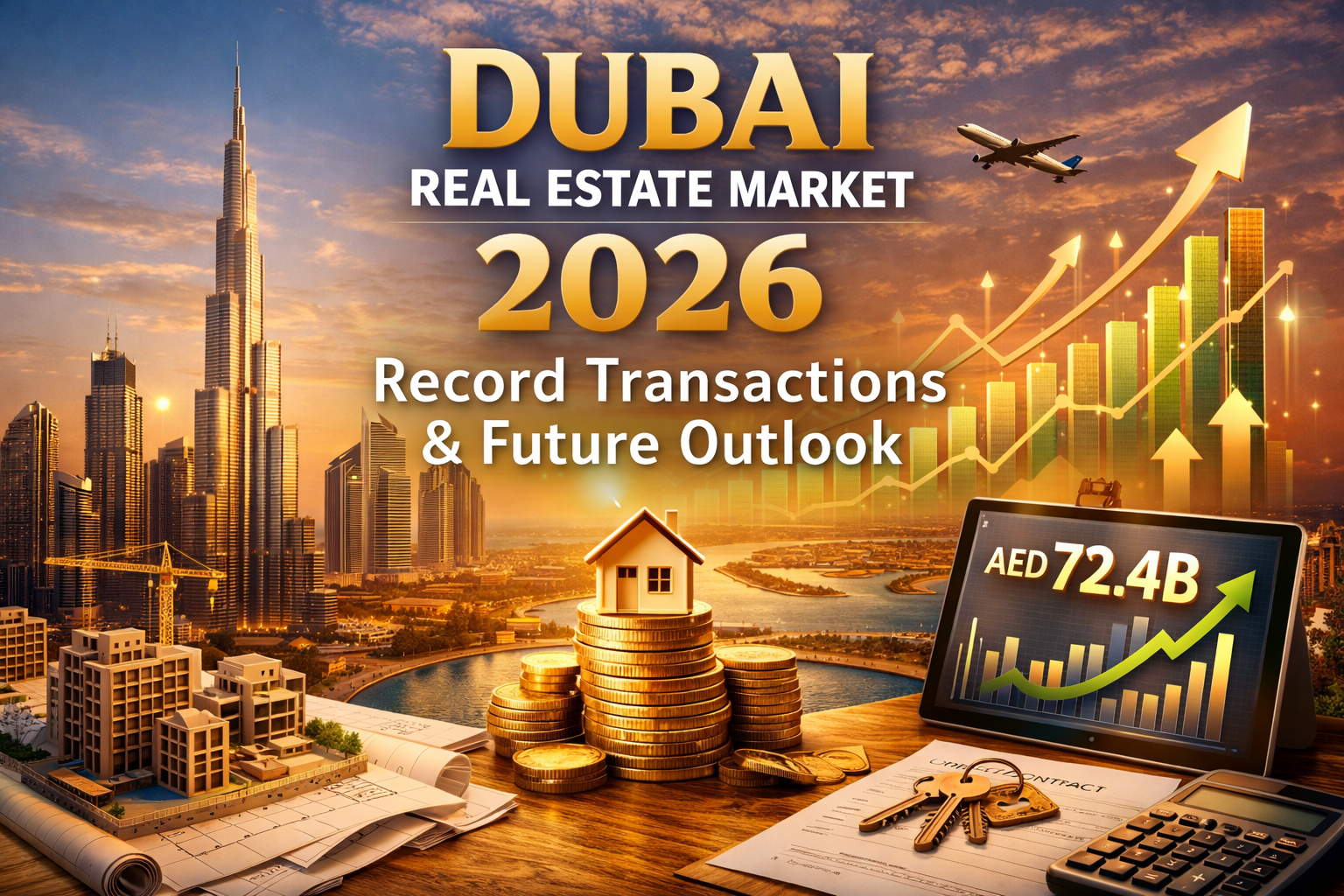
Dubai’s real estate sector in 2025 demonstrates maturity and stability rather than speculative growth. According to data from the Dubai Land Department (DLD), total real estate transactions in the first three quarters of 2025 exceeded AED 300 billion, reflecting steady demand from both local and international investors.
Property prices have risen between 5% and 8% year-on-year, a sustainable pace compared to the sharp surges witnessed in 2021–2023. This moderation signals a balanced market driven by genuine demand rather than speculation.
Meanwhile, the rental market remains robust, with average yields ranging between 6% and 9%, among the highest in any global capital city.
Key Reasons Why Dubai Remains a Strong Investment Market
1. Stable Economic Growth
Dubai’s economy continues to diversify beyond oil, with key contributions from tourism, logistics, finance, and technology. The city’s GDP growth in 2025 is projected at approximately 3.6%, supported by population expansion and continuous foreign investment inflows.
This diversified base insulates the real estate market from regional volatility, providing a stable economic foundation for long-term investors.
2. Tax-Free Investment Environment
Unlike most global markets, Dubai imposes no property tax, no income tax, and no capital gains tax. Investors retain 100% of their net rental income and profits from resale.
This structure significantly boosts real returns and simplifies ownership, especially for international buyers accustomed to heavy taxation in other jurisdictions.
3. High Rental Yields
Dubai continues to outperform major global cities in rental yield performance.
- Dubai: 6%–9% average
- London: 3%
- New York: 3%–4%
- Singapore: 2%–3%
Even in premium communities such as Downtown Dubai or Dubai Marina, yields remain competitive, while emerging zones like JVC, Arjan, and Al Furjan deliver yields approaching double digits.
4. Investor-Friendly Regulations
The Real Estate Regulatory Agency (RERA) and the Dubai Land Department (DLD) maintain strict governance standards that protect investors. Key frameworks include:
- Escrow Account Laws ensuring developer accountability for off-plan funds.
- Digital Title Deeds through Dubai REST App for transparency.
- Ejari Registration to secure tenancy rights.
Such mechanisms promote investor confidence and make Dubai’s real estate processes among the most transparent in the region.
5. Long-Term Residency and Visa Reforms
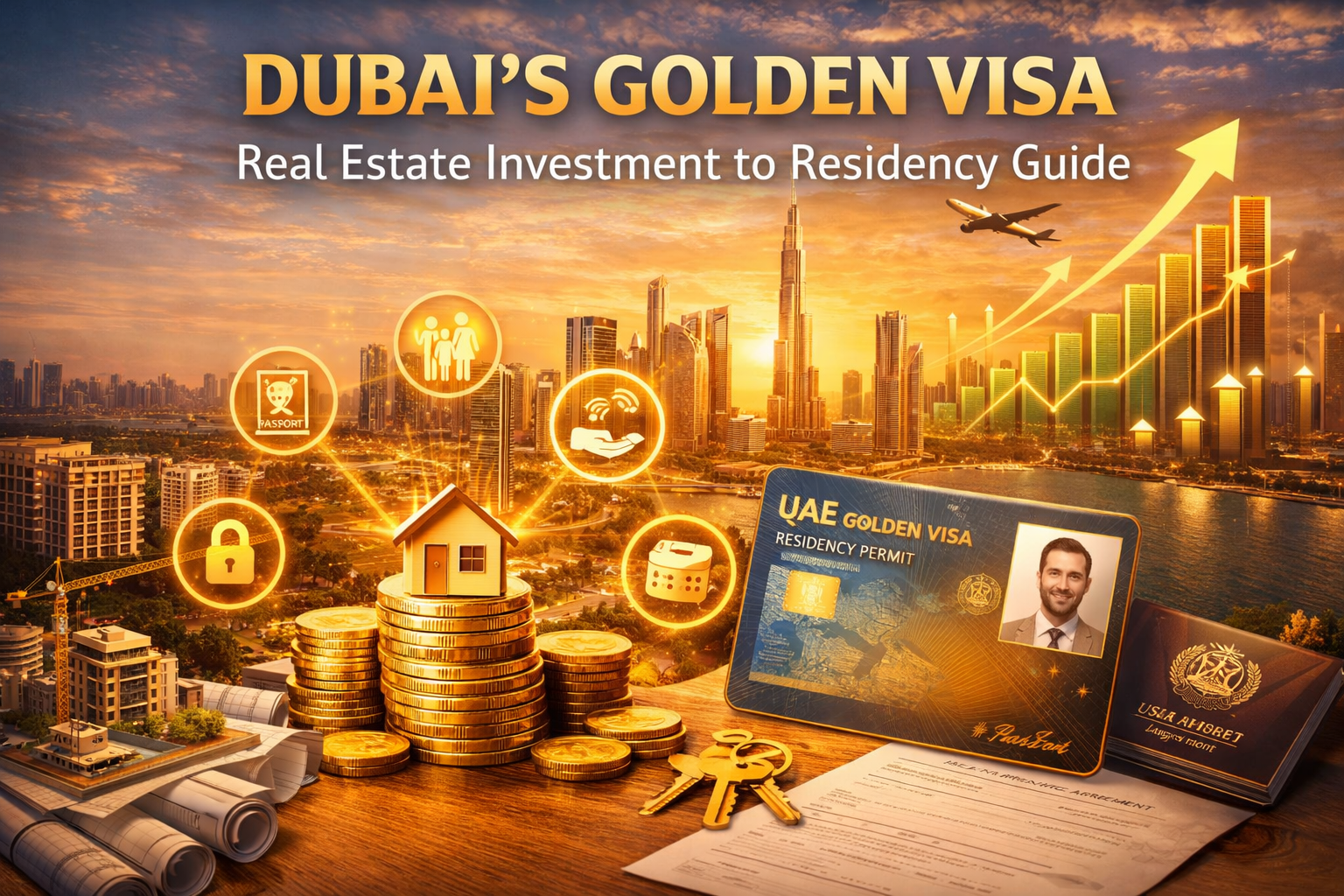
The Golden Visa and Property Investor Visa programs have transformed real estate into a residency-linked investment avenue.
Property owners with assets valued above AED 2 million can now qualify for long-term visas, enabling them and their families to reside in the UAE. This policy has attracted high-net-worth individuals, business owners, and retirees seeking both lifestyle and investment benefits.
6. Expanding Population and Tenant Demand
Dubai’s population exceeded 4.1 million in 2025, and is projected to reach 5.8 million by 2040. Continuous inflows of professionals, entrepreneurs, and expatriate families sustain rental demand across multiple segments.
This organic growth ensures consistent occupancy rates and rental income potential, particularly in areas near metro lines, business hubs, and schools.
Market Risks and Investor Considerations
While Dubai remains a promising market, prudent investors should be aware of potential challenges:
- Market Cycles: Dubai is cyclical, with alternating phases of rapid growth and correction. Understanding timing and entry price is crucial.
- Oversupply in Certain Segments: Some affordable areas experience short-term oversupply, temporarily affecting rent levels.
- Maintenance and Service Charges: Annual building fees can vary significantly, influencing net yield.
- Currency Fluctuations: For foreign investors, exchange rates (especially against USD and EUR) can impact profitability.
A balanced portfolio strategy that includes both ready and off-plan assets across different communities helps mitigate these risks.
Where the Best Opportunities Lie in 2025
Investors should focus on areas balancing strong yields and growth potential:
- Mid-market zones such as JVC, Arjan, and Al Furjan deliver the best rental returns.
- Luxury districts like Dubai Hills Estate, MBR City, and Palm Jumeirah offer long-term capital appreciation.
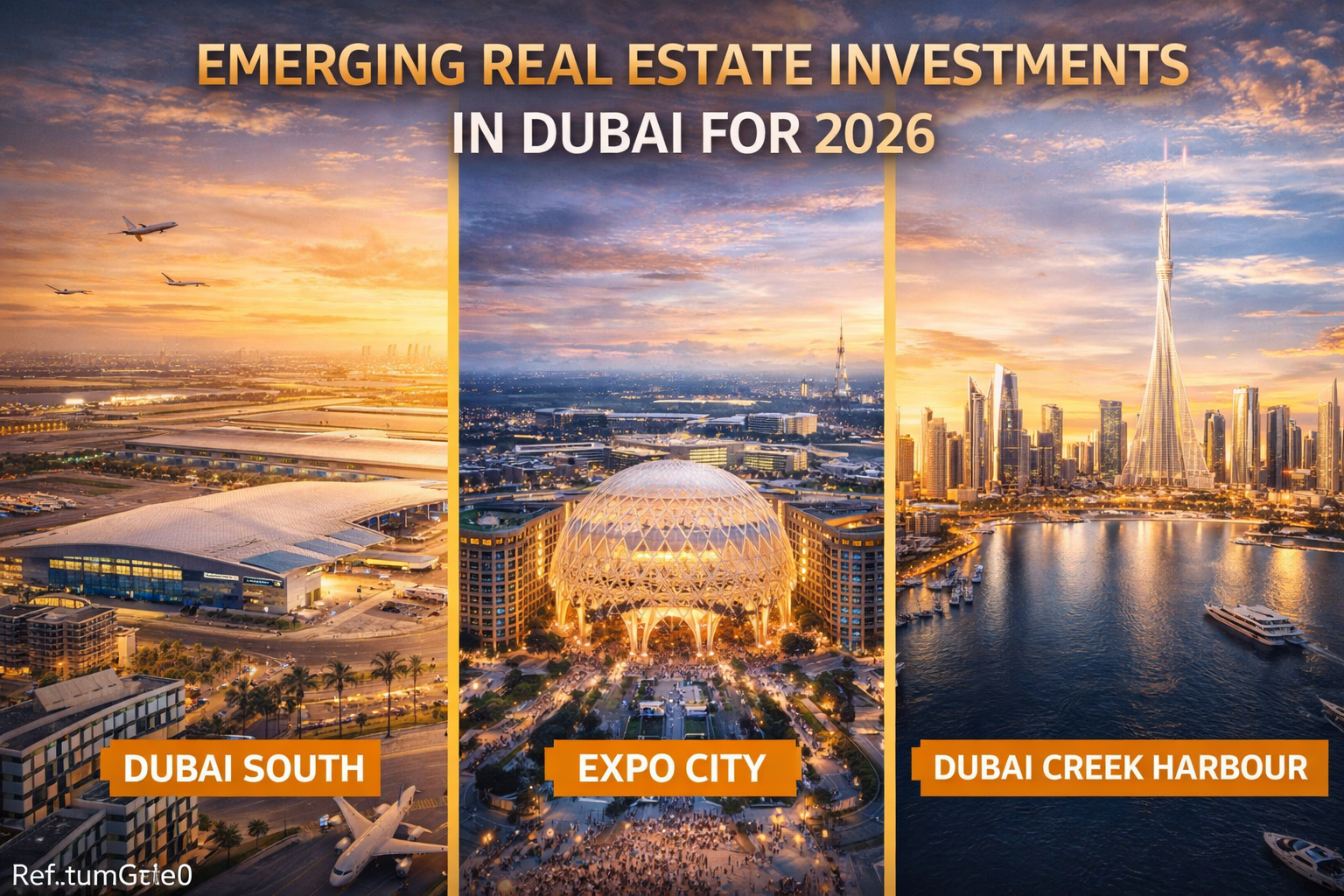
- Emerging areas such as Dubai South and Meydan provide early-stage investment opportunities tied to upcoming infrastructure projects.
Off-plan developments remain especially attractive, offering flexible payment plans and appreciation potential upon handover.
Global Comparison
When benchmarked internationally, Dubai stands out for its high returns, low taxation, and regulatory clarity.
| City | Average ROI (Net) | Capital Gains Tax | Annual Property Tax |
|---|---|---|---|
| Dubai | 6–9% | None | None |
| London | 3–4% | Up to 28% | 1–3% |
| Singapore | 2–3% | 20% | 10–15% stamp duty |
| New York | 3–4% | 20% | 1–2% |
Dubai’s combination of strong returns and investor protection makes it uniquely competitive, especially for global investors seeking stable, tax-free alternatives.
The Future Outlook
Dubai’s Vision 2040 Urban Master Plan focuses on sustainability, livability, and balanced growth. Upcoming infrastructure such as the Dubai Metro Blue Line, Expo City expansion, and Al Maktoum Airport upgrades are expected to drive real estate demand across new corridors.
Furthermore, the government’s continued emphasis on digital property registration, green building standards, and AI-driven transaction systems signals a forward-looking approach that strengthens long-term investment stability.
Analysts project steady annual price growth of 4–6% for the next three years, ensuring Dubai remains a favorable investment destination through 2028.
Conclusion
As of 2025, Dubai remains one of the world’s strongest real estate investment markets. High yields, tax-free profits, modern infrastructure, and investor-centric reforms continue to position the city as a global benchmark for real estate performance.
While investors must account for market cycles and property-specific factors, Dubai’s transparency, safety, and economic growth provide a solid foundation for sustainable returns.
For investors seeking both income and appreciation in a well-regulated environment, Dubai property is not just a good investment — it remains one of the best.