


Introduction
Dubai’s real estate market has continued its upward trajectory through 2025, driven by sustained investor confidence, growing population inflows, and the city’s stable economic outlook. With strong fundamentals and consistent government reforms, Dubai has solidified its position as one of the world’s most resilient and lucrative property markets.
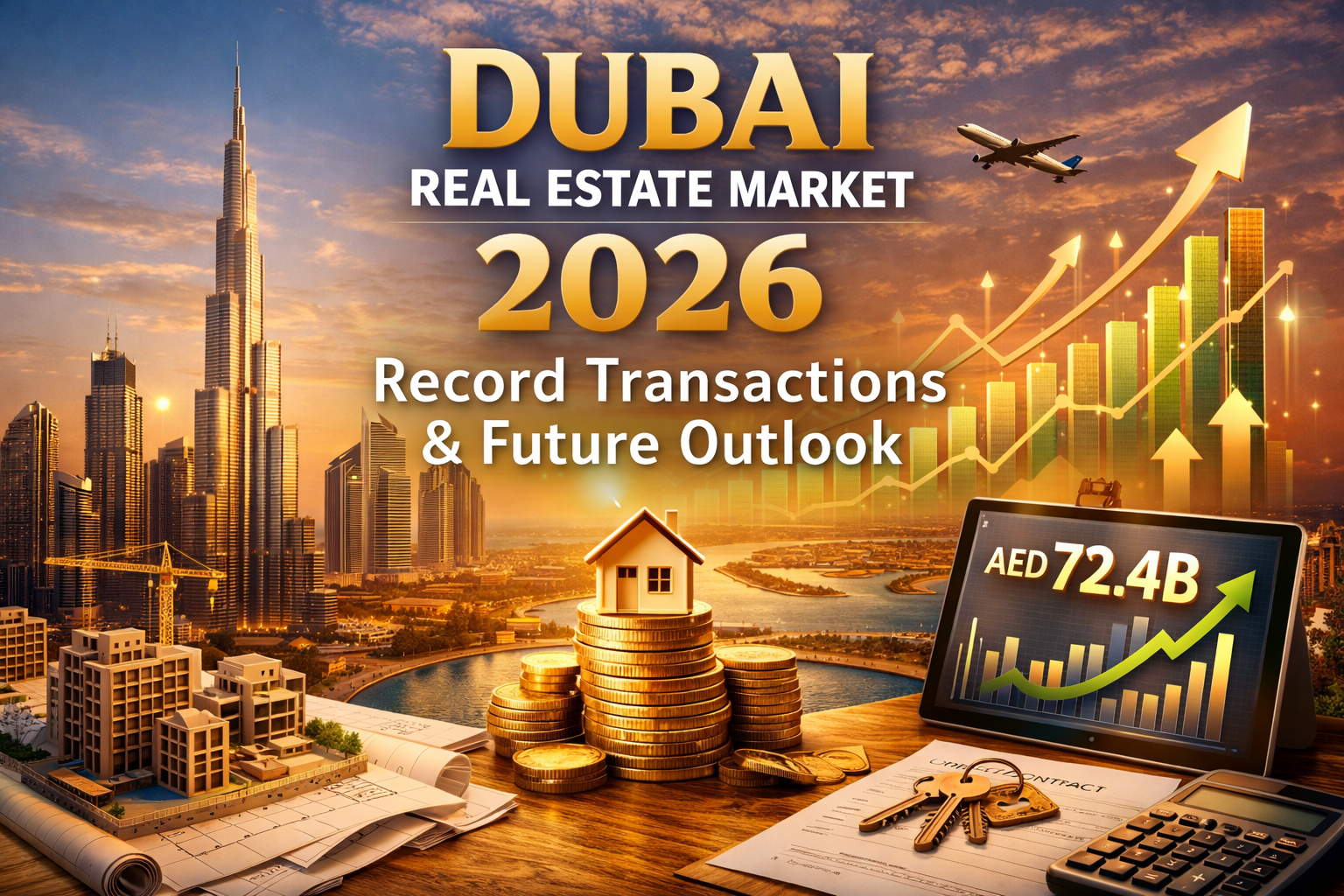
According to the Dubai Land Department (DLD), total property transactions in the first nine months of 2025 surpassed AED 300 billion, marking another milestone year for the emirate’s real estate sector. The combination of high rental yields, tax-free investment environment, and global demand for luxury and affordable living spaces continues to shape the city’s dynamic property landscape.
Market Overview: Key Trends Defining 2025
The year 2025 has witnessed a balanced yet steady growth phase across both off-plan and ready property segments. Unlike the rapid surge of 2021–2023, the current trend reflects sustainable expansion, supported by infrastructure growth and realistic investor sentiment.
1. Stable Price Growth
Property prices have shown moderate appreciation of 5% to 8% year-on-year across most freehold communities.
- Prime areas such as Downtown Dubai, Palm Jumeirah, and Dubai Hills Estate recorded consistent demand from high-net-worth buyers and foreign investors.
- Emerging communities including Arjan, Jumeirah Village Circle (JVC), and MBR City attracted first-time buyers and mid-range investors seeking affordable entry points and better payment flexibility.
This balanced growth suggests a healthy market correction, ensuring long-term stability rather than speculative surges.
2. Off-Plan Segment Dominance
Off-plan sales have accounted for nearly 60% of total transactions in 2025, highlighting the continued trust investors place in Dubai developers. The appeal lies in flexible payment plans, attractive post-handover options, and significant capital appreciation potential.
Developers such as Emaar, Sobha, Damac, Binghatti, and Azizi have launched projects emphasizing modern design, sustainability, and smart home integration—factors that appeal strongly to global buyers.
3. Strong Rental Market
Dubai’s rental sector has remained exceptionally robust.
- Average rental yields range between 6% and 9%, among the highest in major global cities.
- Areas near metro stations and business districts, such as Business Bay, Dubai Marina, and JLT, have seen the strongest rental growth.
- The demand for short-term rentals also surged as tourism and business travel continue to expand post-Expo, supporting landlords seeking flexible income streams.
4. International Buyer Activity
The diversity of investors remains a hallmark of Dubai’s real estate market. The majority of buyers in 2025 continue to come from Europe, India, Pakistan, China, and Russia, followed by GCC nationals.
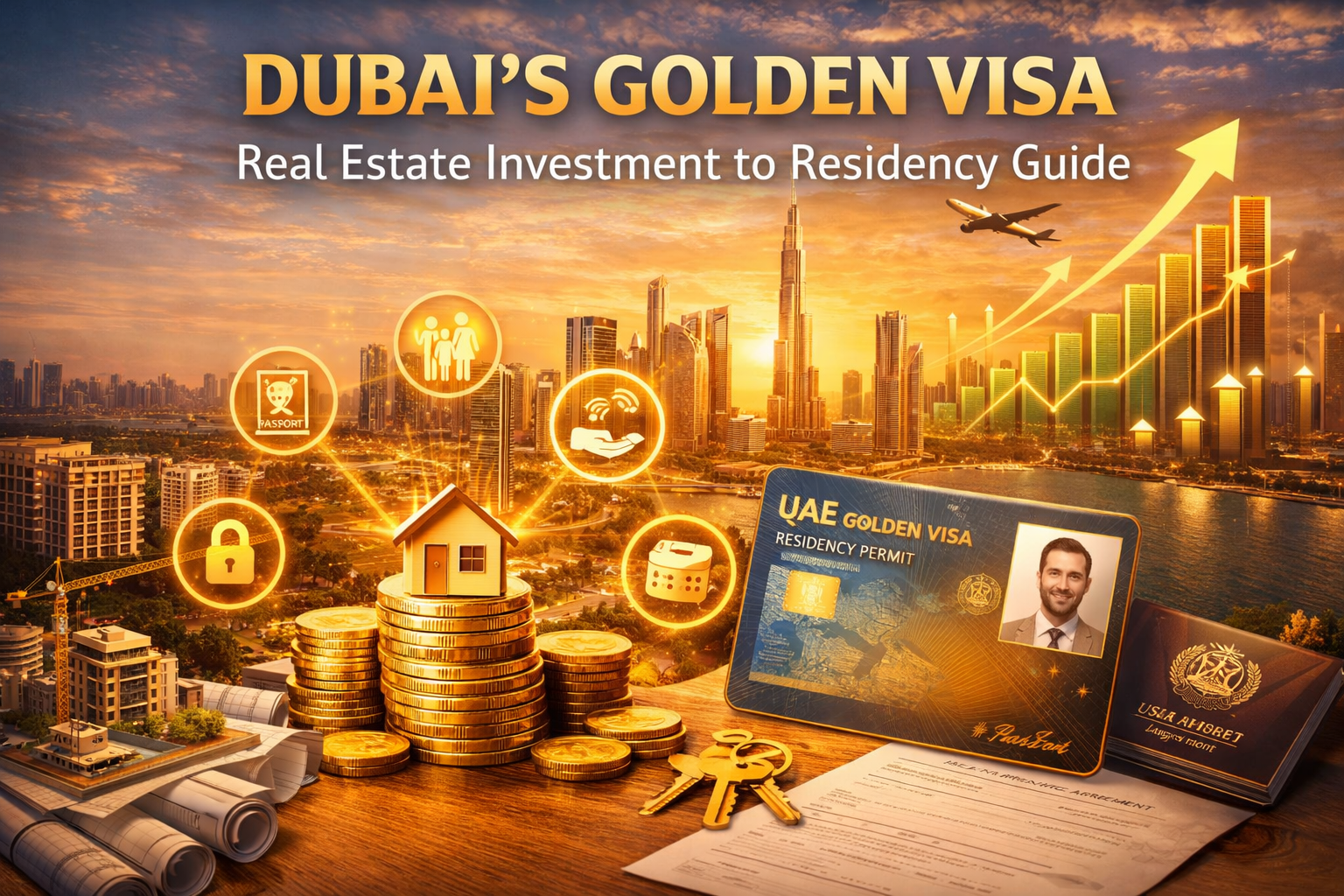
The introduction of long-term residency programs, such as the Golden Visa and 10-year property investor visa, has further encouraged long-term ownership and reduced speculative trading.
Supply and Demand Dynamics
While demand continues to outpace new supply in certain segments, the overall market remains well-regulated. Developers have adopted a more measured approach to project launches, aligning new inventory with genuine end-user demand.
Key observations include:
- Luxury villas and townhouses: Limited supply in central areas is driving strong price resilience.
- Affordable apartments: Developers are focusing on mid-income buyers, leading to new launches in JVC, Dubailand, and Al Furjan.
- Sustainability and design: Increasing adoption of eco-friendly construction and smart energy systems across new developments.
The population growth in Dubai—expected to surpass 4.2 million by the end of 2025—is creating consistent housing demand. Corporate relocations, digital nomads, and lifestyle migration are further strengthening residential absorption.
Regulatory and Policy Developments
The Dubai government and DLD continue to refine the legal and procedural framework supporting real estate transparency.
Recent developments include:
- Mandatory digital registration of all tenancy contracts through the Ejari system.
- Enhanced ownership verification and blockchain integration for property title transfers.
- Tighter escrow regulations to protect off-plan investors and ensure timely project completion.
These measures reinforce investor confidence and maintain Dubai’s ranking among the most transparent real estate markets in the Middle East.
Market Outlook for 2026
The outlook for Dubai’s property sector in 2026 remains optimistic.
Key growth drivers include:
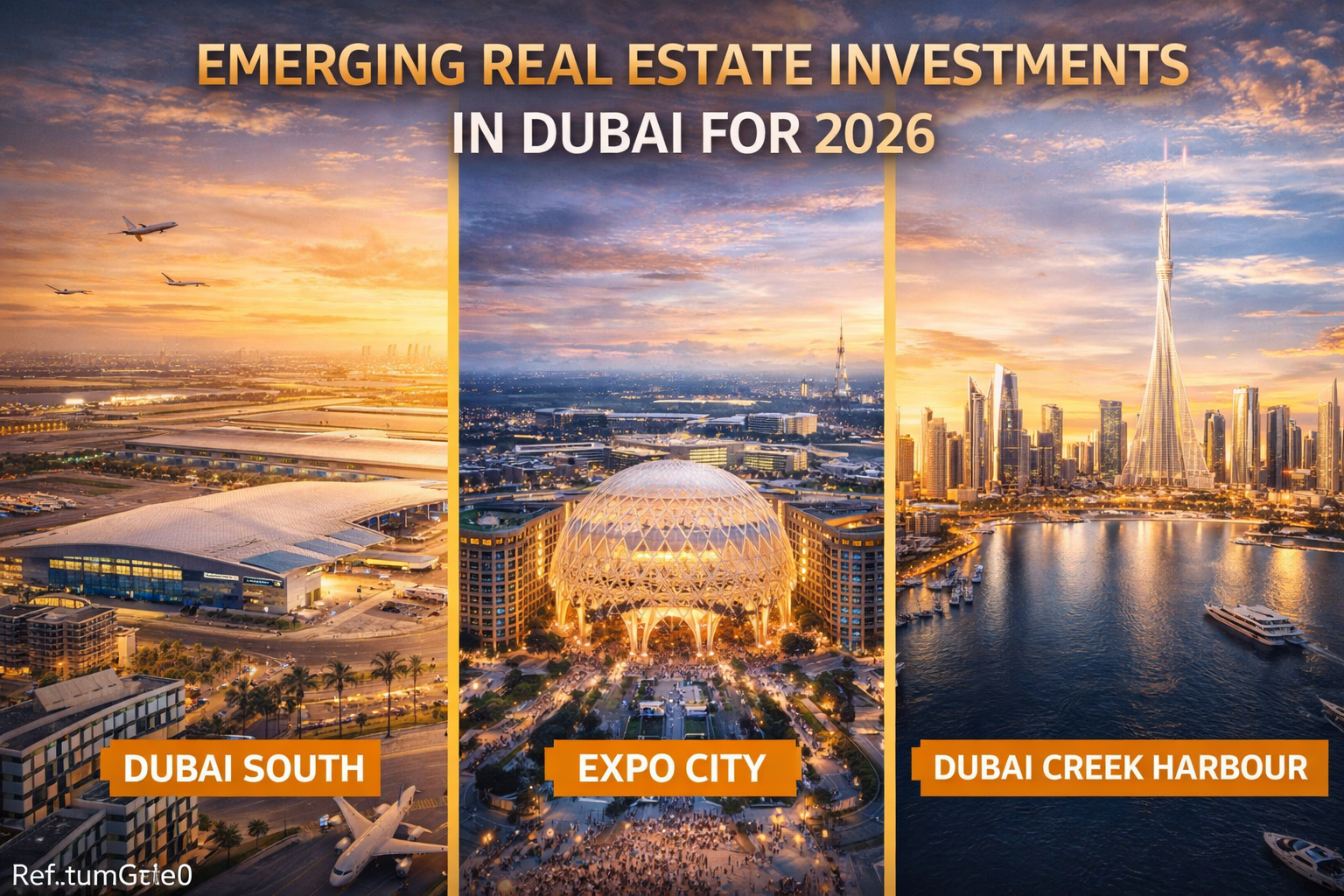
- Expo City Dubai: Evolving into a sustainable urban hub attracting both residents and international companies.
- Tourism and business expansion: Anticipated visitor numbers exceeding pre-pandemic levels.
- Infrastructure upgrades: Ongoing projects such as Dubai Metro Blue Line and new commercial zones near Al Maktoum International Airport.
- AI and PropTech adoption: Digital transformation in property management, sales, and leasing is streamlining transactions and improving efficiency.
Analysts expect annual price appreciation to stabilize at around 5%–6%, maintaining profitability while ensuring long-term sustainability. The market is gradually maturing into a globally benchmarked investment destination comparable to developed economies, yet still offering superior yields and lower entry costs.
Investment Perspective
For investors, Dubai continues to offer one of the best risk-adjusted returns globally.
Key investment highlights include:
- High yields: Average 6–9% compared to 2–4% in major capitals.
- No property tax or capital gains tax: Investors keep full net profit.
- Safe and regulated market: DLD and RERA ensure compliance and consumer protection.
- Liquidity and demand: High transaction volumes and strong secondary market activity.
Whether purchasing for capital appreciation, rental income, or portfolio diversification, Dubai remains a strategic hub bridging Asia, Africa, and Europe.
Conclusion
As of October 2025, Dubai’s real estate market demonstrates a unique blend of stability, innovation, and investor confidence. The city’s continued infrastructure growth, transparent governance, and global appeal position it for sustained expansion well into 2026 and beyond.
For buyers and investors seeking a secure, tax-efficient environment with strong returns, Dubai stands out as a top global destination. From ultra-luxury waterfront residences to emerging mid-market communities, the opportunities remain abundant for those entering the market strategically.